How Primary Care Dashboard Flags Are Tackling Health Inequities in New Zealand
An estimated 94,000 New Zealanders are living with chronic Hepatitis B. Yet, the vast majority have no idea they carry the virus. Known as a "silent killer," Hepatitis B often produces zero symptoms for decades while quietly causing severe damage to the liver. Without diagnosis and management, it can progress to liver cirrhosis and liver cancer - which is the fourth highest cause of common cancer deaths for tāne Māori. Māori men 2.8 x more likely to die from liver cancer than non-Māori men.
Despite the fact that Hepatitis B is easily detectable, treatable with daily medication, and preventable with a vaccine, New Zealand currently has no government-funded national screening programme or funded action plan to eradicate it.
So, how are healthcare leaders stepping up to bridge this gap?
A Matter of Health Equity and Systemic Bias
The burden of Hepatitis B is not spread evenly across Aotearoa. While the virus has a very low prevalence among New Zealand Pākehā, it impacts:
3% to 13% of Pacific peoples
9% of Asian people
6% of Māori
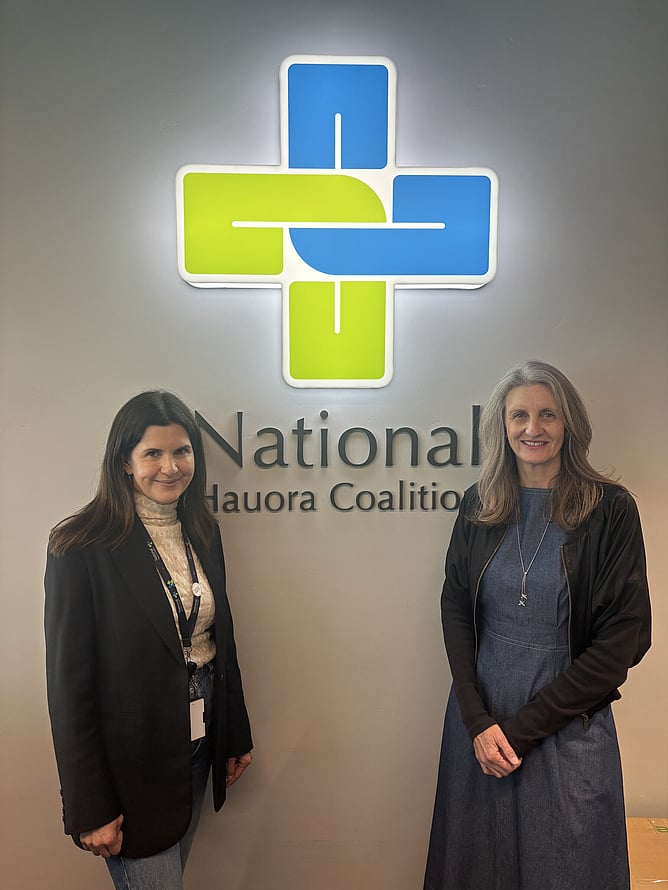
Dr. Nina Bevin, Medical Director at the National Hauora Coalition (NHC), points out that the absence of a targeted national response is a prime example of institutional bias in the health system. "This is a big issue for these groups, and it does result in what we see in the mortality gap, so I would say it is a form of discrimination," Dr. Bevin states.
The Innovation: Automated Dashboard Flags
Rather than waiting for top-down policy changes, the National Hauora Coalition and the Hepatitis Foundation of New Zealand have taken proactive action. They are deploying automated electronic dashboard flags within general practice management software.
How It Works:
Targeted Prompts: When a GP or Nurse Practitioner opens a patient record, the system prompts them if the patient is Māori, Pacific, or Asian patients who have not been immunised and typically over age 40 - regardless of whether they show symptoms.
Why Age 40+? Universal childhood Hepatitis B vaccination was only introduced in New Zealand in 1988. Adults born before this period remain at higher risk of undiagnosed chronic infection.
Low Effort, High Impact: For busy clinicians, the alert takes seconds to act upon, serving as a vital pro-equity tool that can save lives.
Beyond Testing: Overcoming Stigma and Protecting Whānau
A positive test result can be overwhelming. As Sarah Davey, Chief Executive of the Hepatitis Foundation, notes, patients often react with confusion and fear, asking questions like, "Can I go home and hug my children?"
The Hepatitis Foundation acts as a crucial safety net:
Whānau Protection: Because transmission within households is possible, diagnosing one individual allows health workers to screen, educate, and vaccinate siblings and family members.
Addressing Stigma: Stigma (whakamā) and widespread misunderstandings still persist. Misconceptions are so strong that some employers have unlawfully restricted infected workers.
Long-term Care: Connecting diagnosed patients with regular monitoring ensures early intervention before irreversible liver damage occurs.
Looking Ahead: Achieving the 2030 Elimination Goal
The World Health Organization (WHO) has set a global goal to eliminate viral hepatitis by 2030 - a target supported by New Zealand. Achieving this will require expanding initiatives like dashboard flags across all primary care networks. Furthermore, emerging medical advancements offer hope: while Current treatments are effective at suppressing the virus and requires daily lifelong medication, but new curative therapies are under development.
By leveraging simple clinical technology to drive equity, healthcare providers can ensure fewer New Zealanders fall through the cracks.