Cirrosis and Chronic Hepatitis
Scarring of the Liver
WHAT IS CIRRHOSIS?
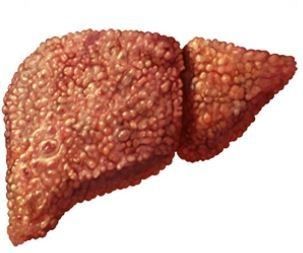
Chronic hepatitis can cause cirrhosis of the liver. Cirrhosis is a result of advanced scarring that results from persistent injury to the liver, usually from a chronic viral infection especially chronic hepatitis.
Liver scarring is usually a slow process and happens over several years, more rapidly if there are more than one cause of damage such as other types of hepatitis, alcohol or too much fat in the liver.
This scar tissue reduces the blood flow through the liver, causing increase in pressure in the veins which may cause severe bleeding in the gut. Cirrhosis can also lead to liver failure or liver cancer.
What are the stages of cirrhosis and the symptoms?
EARLY STAGE - The liver function is normal – this is called compensated cirrhosis. It has has no major symptoms, however, bleeding complications can still occur.
LATE STAGES - The liver function is abnormal and signs of liver failure will develop. This is called decompensated cirrhosis. Often the onset of decompensated cirrhosis is due to a sudden event such as an infection, bleeding, or a new medication. With treatment, the liver function may return to a compensated state. Symptoms may include a loss of appetite, extreme tiredness, nausea, abdominal swelling and the inability to tolerate fatty foods. (Decompensated Cirrhosis).
What causes cirrhosis to progress?
Cirrhosis is the end-stage of many types of chronic liver disease. Heavy alcohol (>2 standard drinks per day) and being overweight increase the progression to cirrhosis.
What are the complications?
In a patient with compensated cirrhosis, the progression of the liver disease may lead to deterioration of liver function and the onset of liver failure (decompensated cirrhosis).
What treatment is available?
In patients with chronic hepatitis B, with active liver disease, safe and effective anti-viral medications (one tablet per day) are available and fully funded. These medications help to prevent cirrhosis.
They will also aid in the prevention of liver failure and liver cancer in patients who already have cirrhosis.
Nearly all people with hepatitis C can be cured with current treatment. Once cured living a healthy lifestyle will prevent further liver damage.
How can I care for myself with cirrhosis?
It is important you follow the individual advice given to you by a liver specialist (gastroenterologist). If you think you have cirrhosis but have never been seen in a hospital clinic ask your GP for a referral.
Other lifestyle changes that support your health with cirrhosis include:
Zero alcohol intake
Regular exercise
Good hygiene to reduce your risk of getting infections
A healthy diet rich in protein.
Related Links
Symptoms and signs of liver failure
Increased tiredness and inability to carry out your usual activities.
A build-up of fluid in the feet and lower legs (odema) and/or in the abdomen (ascites).
Bruising and bleeding (because of low numbers of platelets and lack of clotting proteins in the blood).
Loss of mental sharpness and eventually onset of confusion (encephalopathy).
Interrupted sleep patterns.
Yellowing of the whites of the eyes and skin (jaundice) and darkening of the urine.
Black bowel motions or vomiting blood, from bleeding into the gut.
Loss of muscle bulk, especially around the shoulders and neck (protein-calorie malnutrition).
Liver Cancer
Cirrhosis can lead to liver cancer (also called hepatocellular carcinoma, HCC, or hepatoma). Unlike liver failure, liver cancer does not cause symptoms until very late; at this stage, it is usually not curable.
For this reason, every person with cirrhosis should have regular screening with a Liver ultrasound and blood test at least 6 monthly, to try and detect liver cancer at an early and curable stage.

Find us
61 Alexander Avenue, Whakatāne 3120
New Zealand
Or mail: PO Box 647, Whakatāne
Tel: 0800 33 20 10
NZ Registered Charity CC21669
Privacy Statement
THINK YOU ARE AT RISK?
GET IN TOUCH WITH US AT
0800 33 20 10
You can also send us an email at: hepteam@hfnz.nz

